
Hidden water leak detection in Lakewood, CO
No puddle, no stain, but something is wrong
A hidden leak turns up on your water bill long before it turns up on your ceiling. We find water inside walls, under floors and behind cabinets, then dry out the structure it has already soaked.
Water you cannot see does the most damage
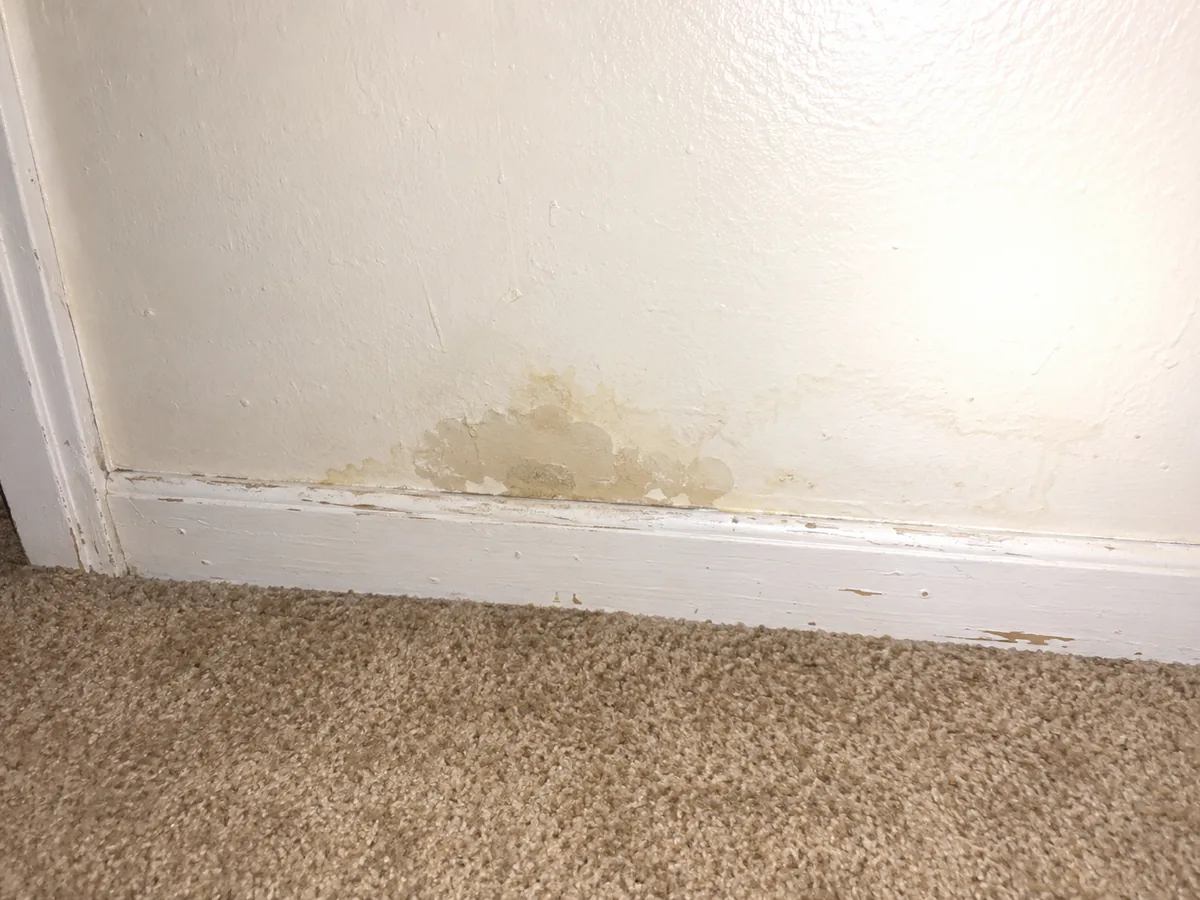
A hidden leak is patient. It wicks into framing, soaks insulation flat and sits against the back of drywall for weeks before anything shows on the surface, which is why the first clue is usually financial rather than visual. The EPA puts the average household's leaks at more than 9,300 gallons a year, and says nine percent of homes are losing 50 gallons a day or more.
Lakewood is more exposed than most of Colorado, because of when it was built. The median home here went up in 1976 and close to six in ten date from before 1980, which means original supply lines, older solder joints and waterproofing that has had five decades to fail quietly behind a finished wall.
- The signs that matterA bill that climbs with no change in use, water running with every tap closed, a warm patch underfoot, a musty smell in one room, or paint that has started to lift. One is worth checking. Three together means it is already in the structure.
- The meter test, free and definitiveShut off every tap and appliance, note the meter, wait two hours without touching the water, then read it again. Movement means water is escaping. It costs nothing and it settles the question before anyone visits.
- What your bill is telling youThe EPA flags a family of four using more than 12,000 gallons in a colder month as a likely serious leak. Winter is the useful month to check, because irrigation is off and the number has nowhere to hide.
- Found before anything is openedThermal imaging reads the temperature difference where water has travelled behind a surface, and moisture meters confirm it through the plaster. The wet area gets mapped first, so any access is cut where the readings point.
Three jobs, not one: finding the moisture and drying the structure is restoration work and that is our part. Repairing the pipe itself is plumbing and needs a licensed plumber. Putting the wall, floor or ceiling back afterwards is ours again. The ANSI/IICRC S500 standard puts responsibility for correcting the source of the water on the property owner, so it is worth knowing which trade you need at which point rather than finding out halfway through.
How a hidden leak gets found
Narrow it down, map it, then dry what it soaked.
- 1
Narrow it down
We start with what you already have: the meter test result, how the bill has moved over the last few months, and where the signs are showing. That usually puts the leak on a floor and a wall before anyone picks up a tool, which keeps the search short.
- 2
Map it without demolition
Thermal imaging shows where water has spread behind the surface, and moisture meters confirm how far it has gone and how deep it sits. The result is a mapped wet area rather than a guess, so if access is needed it is cut in one place instead of several.
- 3
Dry it and put it back
Once your plumber has repaired the pipe, air movers and dehumidifiers run on the affected structure with daily moisture readings until it is verified dry. Then the drywall, insulation, flooring and paint go back, as part of full water damage restoration in Lakewood.
Where hidden leaks start in older Lakewood homes
With most of the housing stock built before 1980, the leaks we are called to tend to start in the same few places.
- Original supply lines inside wallsFifty-year-old pipework and solder joints fail at the joint rather than along the run, which produces a slow weep instead of a burst. It can soak a stud bay for months without ever reaching the floor.
- Under slabs and behind finished basementsA leak below a slab shows as a warm patch or an unexplained damp edge at the base of a wall. In a finished basement the framing and drywall hide it completely until the smell arrives.
- Appliance connectionsWater heater fittings, washing machine hoses and refrigerator icemaker lines sit out of sight and leak quietly against a cabinet back or a laundry wall. If the water has pooled rather than wicked, the damage often looks like a flooded basement by the time it is found.
Hidden water leaks: your questions answered
How do I know if I have a hidden water leak?
You may have a hidden water leak if your bill climbs with no change in how much water you use, you can hear water running with every tap closed, or you find a warm patch on the floor, a musty smell in one room, or paint and plaster that has started to bubble.
One sign on its own is worth checking. Several together usually means water is already sitting inside the structure.
How do I check for a leak with my water meter?
To check for a leak with your water meter, turn off every tap and water-using appliance in the house, write down the meter reading, then leave it for two hours without using any water and read it again. A reading that has moved means water is escaping somewhere.
The EPA also notes that a family of four using more than 12,000 gallons in a colder month likely has a serious leak.
Can you find a leak without cutting into the wall?
A leak can usually be found without cutting into the wall. Thermal imaging picks up the temperature difference where water has spread behind a surface, and moisture meters confirm it through the plaster, so the wet area is mapped before anything is opened.
Access is sometimes still needed at the end, but it is cut where the readings point rather than opened up to go looking.
Do you repair the leaking pipe as well?
We do not repair the pipe itself. Finding the moisture and drying the structure is restoration work, while repairing the pipe is plumbing and needs a licensed plumber in Colorado.
We locate the water, dry out what it has soaked, and rebuild the finishes once the repair is done.
Will insurance cover a hidden water leak?
Whether insurance covers a hidden water leak usually depends on how long it has been leaking. A sudden failure is generally covered by a standard Colorado policy, while damage from a slow leak that has run for months is commonly excluded as a maintenance problem.
Some policies add hidden water damage as an endorsement. More on what Colorado policies cover.
Find the leak before it finds your drywall
If the meter moved, or the signs are stacking up, the next step is mapping where the water has gone. We handle the detection and the drying, as part of full water damage restoration in Lakewood.
Request your free estimate